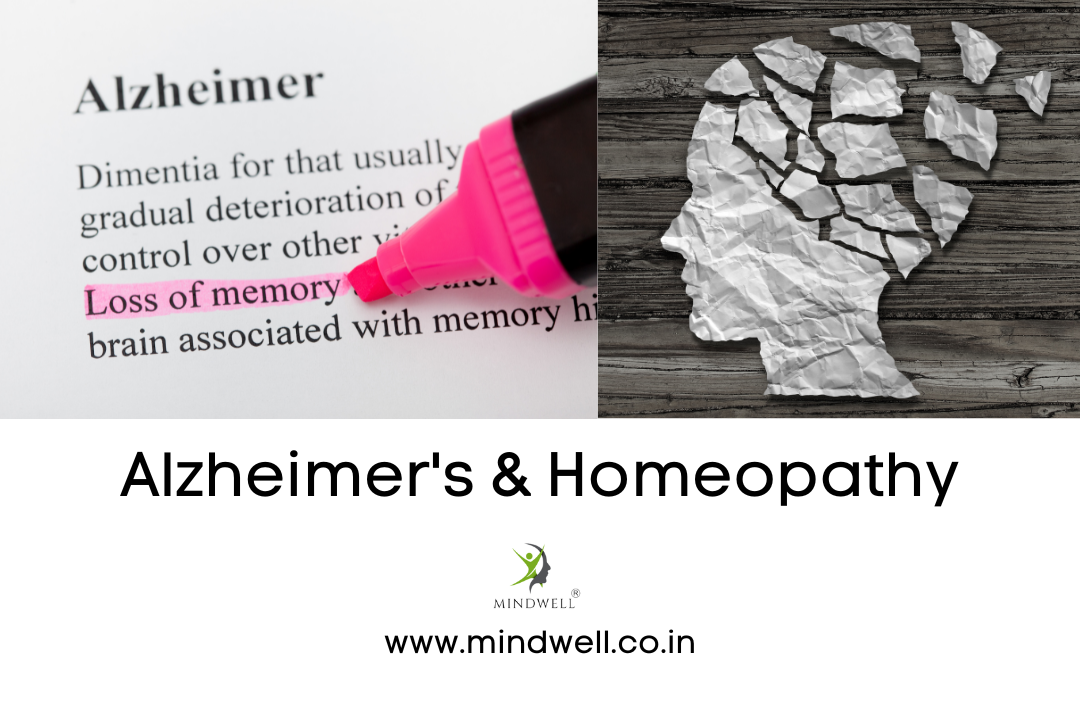
Alzheimer’s disease is a brain disorder that slowly destroys memory and thinking skills and eventually the ability to carry out the simplest task in routine. In most of diseases, those with late-onset type symptoms first appear in their mid-60s.
Memory loss is the main symptom of Alzheimer’s disease.
Early signs:
Difficulty in remembering recent events or conversations. But memory gets worse and other symptoms develop as the disease progresses.
Trouble remembering things and thinking clearly. As symptoms get worse, a family member or friends may be more likely to notice the issues.
Brain changes associated with Alzheimer’s disease led to growing trouble with :
1. Memory: Repeat statements and questions over and over. Forget conversations, appointments or events. Misplace item, often putting them in places that don’t make sense. Get lost in places they used to know well. Eventually, forget the names of family members and everyday objects. Difficulty finding the right words for objects, expressing thoughts or participating in conversations.
2. Making judgements and decisions: Decline in making basic and firm judgements.
3. Changes in personality and behaviors: Mood swings, depression, lack of interest in activities, anger, aggression, sleeping disturbance, social withdrawal.
For example;
- A person may make poor choices in social setting or wear clothes for the wrong type of weather. It may become harder for someone to respond to everyday problems.
- For the person may not know how to handle food burning on the stove or decisions when driving.
- Loss of inhibitions, Delusions such as believing has been stolen.
Even though major changes to memory and skills, people with Alzheimer’s disease are able to hold on to some skills even as symptoms get worse. Preserved skills may include reading or listening to books, telling stories, sharing memories, singing, listening to music, dancing, drawing or doing crafts.
These skills may be preserved longer because they’re controlled by parts of the brain affected later in the progression of the disease.
Risk Factor:
Increasing age is the greatest known risk factor for Alzheimer’s disease. The risk of developing Alzheimer’s is somewhat higher if a first-degree relative your parent or sibling has the disease.
Many people with Down syndrome develop Alzheimer’s disease.
Homeopathy has the potential to give good results in Alzheimer’s disease.
Homeopathy gives importance to patient behaviors physical and mental signs and individual approaches to each case. It helps to prevent further loss in brain damage along with making no side effects. So, Homeopathy becomes a safe treatment that anyone can continue for the long term to get long-lasting results. Family members of patient need to keep patience in such cases. An experienced homeopath can give good results in Alzheimer’s if the case is analyzed well. Dietary and lifestyle changes along with medicines show good results.
To get your consultation from our Expert Homeopathic doctor visit www.mindwell.co.in or call us on +91 9819901406 / +91 9819904411