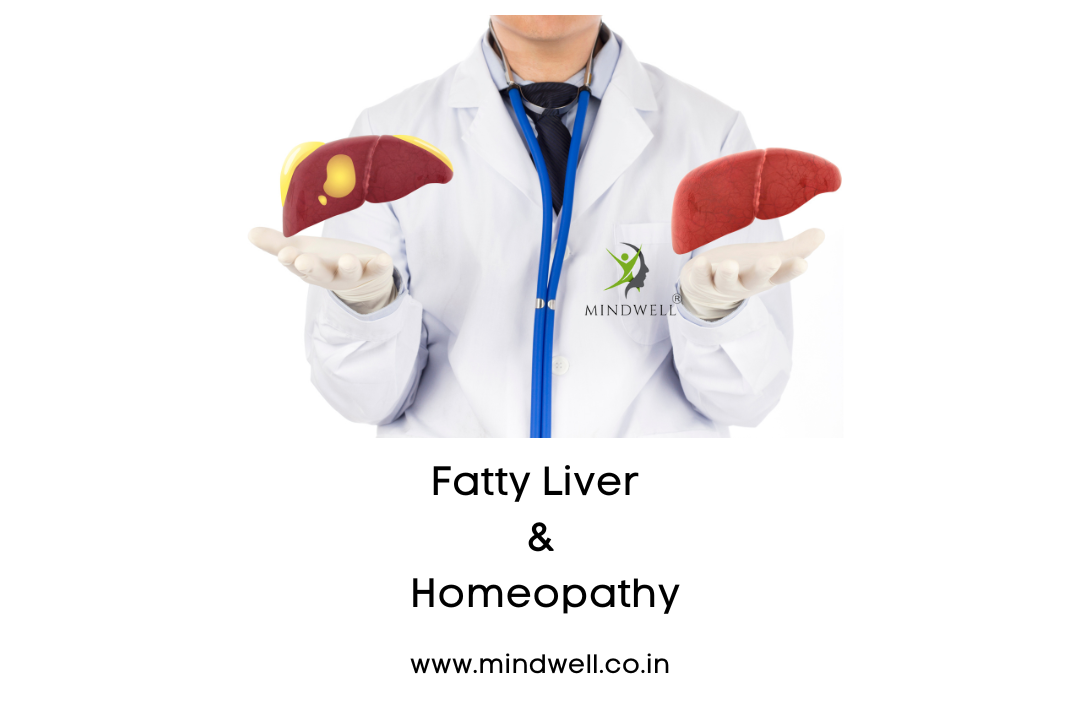
Fatty liver is also known as hepatic steatosis. It happens when fat builds up in the liver. Having small amounts of fat in your liver is normal, but too much can become a health problem. Your liver is the second-largest organ in your body. It helps process nutrients from food and drinks, and filters harmful substances from your blood. Too much fat in your liver can cause liver inflammation, which can damage your liver and create scarring.
In severe cases, this scarring can lead to liver failure. Fatty liver can progress through four stages:
- Simple fatty liver: There’s a build up of excess fat in the liver. Simple fatty liver is largely harmless if it doesn’t progress.
- Steatohepatitis: In addition to excess fat, there’s also inflammation in the liver.
- Fibrosis: Persistent inflammation in the liver has now caused scarring. However, the liver can still generally function normally.
- Cirrhosis: Scarring of the liver has become widespread, impairing the liver’s ability to function. This is the most severe stage and is irreversible.
Cirrhosis symptoms:
- Abdominal pain
- Loss of appetite
- Weight loss
- Weakness or fatigue
- Nausea
- Itchy skin
- Yellow skin and eyes
- Easy bruising or bleeding
- Dark-coloured urine
- Pale stools
- Fluid accumulation in the abdomen ( Ascites )
- Swelling ( Edema ) of your legs
- Web-like clusters of blood vessels under your skin
- Breast enlargement in men
- Confusion
Drinking a lot of alcohol damage the liver. Alcoholic fatty liver disease (AFLD) is the earliest stage of alcohol-related liver disease. If there’s no inflammation or other complications, the condition is known as simple alcoholic fatty liver.
1.Alcoholic fatty liver disease (AFLD)
Non-alcoholic fatty liver disease (NAFLD) is when fat builds up in the liver of people who don’t drink a lot of alcohol.
2.Nonalcoholic fatty liver disease (NAFLD)
Both AFLD and NAFLD present similarly. In many cases, fatty liver causes no noticeable symptoms. But you may feel tired, or experience discomfort or pain in the upper right side of your abdomen.
Prevention: To prevent fatty liver disease and its potential complications, it’s important to follow a healthy lifestyle. Some general prevention tips include:
- Make changes to your diet
- Avoid medications and supplements that are hard on your liver
- Take steps to lose weight / managing your weight
- Eating a nutrient-rich diet that’s low in saturated fats, trans fats, and refined carbohydrates
- Taking steps to manage your blood sugar, triglyceride levels, and cholesterol levels
- Following your doctor’s recommended treatment plan for diabetes, if you have this condition
- Aiming for at least 30 minutes of exercise most days of the week
- Taking these steps can also help improve your overall health.
- Balance your diet. Try to select foods from all food groups. This includes fresh fruits and vegetables, whole grains, lean proteins, low fat dairy, and healthy fats and oils.
- Cut calories. Aim to limit your consumption of foods that are high in calories.
- Focus on fiber. Fiber can help improve the function of your liver. Example of foods that are rich in fiber include fresh fruits and vegetables, legumes, and whole grains.
- Limit certain foods. Take steps to reduce your consumption of foods that are high in:
- Low sodium (salt)
- Refined carbohydrates, such as sweets, white rice, white bread, or other refined grain products
- Saturated fats, which are found in foods such red meat, full fat dairy, and fried foods
- Trans fats, which are present in fried foods and many processed snack foods
- Avoid raw or undercooked shellfish. Raw or undercooked shellfish can contain bacteria that can make you seriously ill.
- Address alcohol. Talk with your doctor about whether you can have alcohol. Depending on the condition of your liver, you may be able to drink alcohol in moderation. If you have AFLD, you’ll need to abstain from alcohol entirely.
- Drink water. Drinking plenty of water can help keep you hydrated and also improve the health of your liver.
To help stop fatty liver from progressing and causing complications, it’s important to follow your doctor’s recommended treatment plan.
Is Homeopathy Helpful in Fatty Liver?
Yes. Homeopathy is effective in such cases. It helps to increase immunity and correct the internal disturbance in your body. There are so many homeopathic medicines which work on fatty liver.
Depending upon the severity of your symptoms, your homeopath will guide you in detail.
At Mindwell, we provide detailed homeopathic consultation, personal diet consultation along with yogic lifestyle changes .
You can reach out to us for further detail consultation at
www.mindwell.co.in or contact us on 9819904411/9819901406