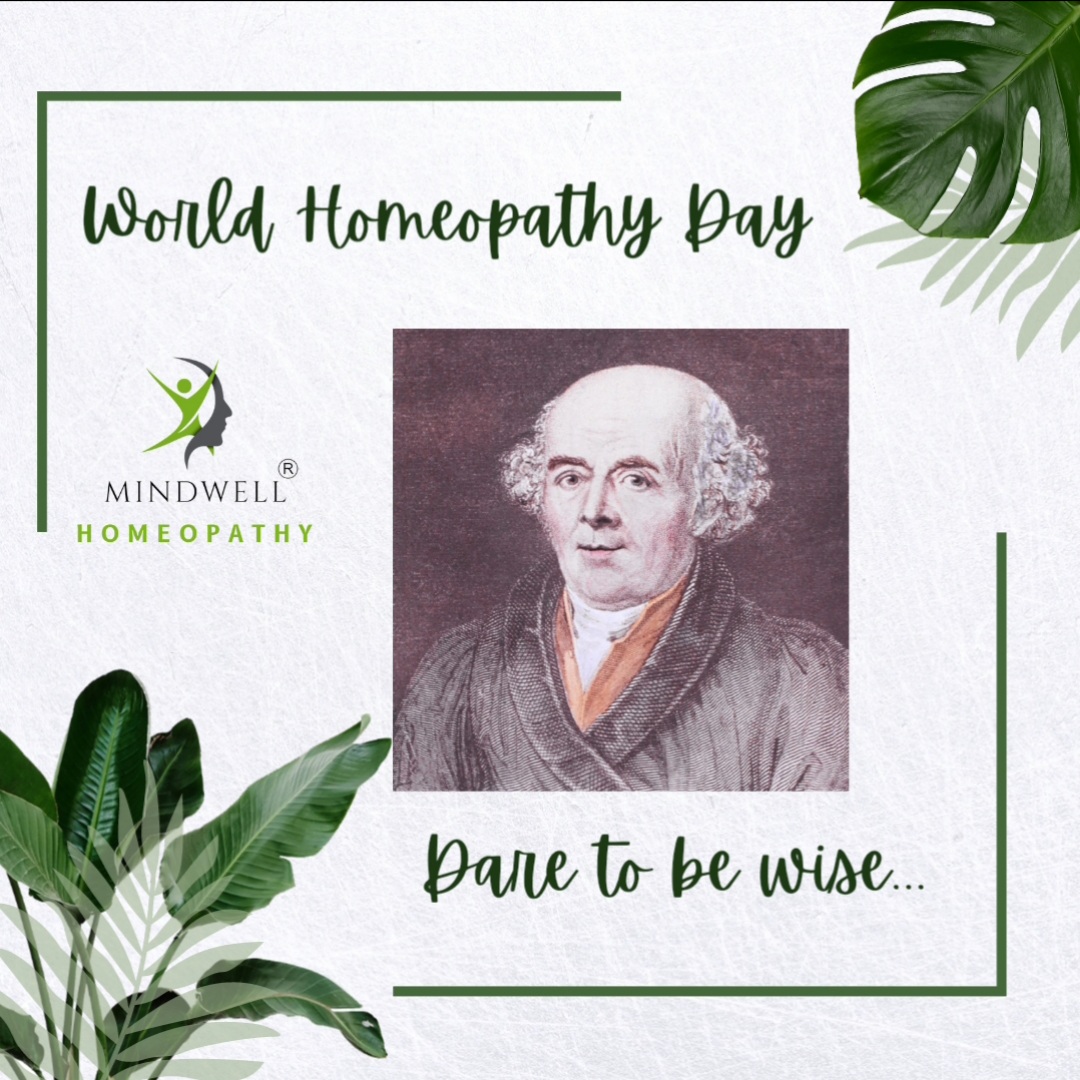
Dr. Samuel Hahnemann (10 April 1755 – 2 July 1843) was a German physician, well known for creating the system of medicine called homeopathy. He had reputation as a clinician as wells an acclaimed chemist of his time.
Hahnemann studied medicine and graduated MD at University of Erlangen on 10 August 1779. In 1781, he started serving in a village later on he understood medicines in this time sometimes did more harm than good to human being, particularly with practices such as bloodletting and leaching.
He felt like a murdered by prescribing the medicines to his fellow patients. So terrible and disturbing that he wholly gave up his practice in the first years of his married life and occupied himself solely with chemistry and writing.
After giving up his practice around 1784, Hahnemann started resolving to investigate the causes of medicine’s alleged errors. While translating William Cullen’s book, A treatise on the Materia Medica, Hahnemann encountered the claim that cinchona, the bark of Peruvian tree, was effective in treating malaria, the foot note to this attributed he effectiveness to the severe bitterness. Hahnemann believed that other astringent substances are not effective against malaria and began to research the effect of Cinchona on the human body by self-application. Nothing that the drug inducing malaria-like symptoms in himself, he concluded that it would do so in any healthy individual. This led him postulate a healing principle: “that which can produce a set of symptoms is a healthy individual, can treat a sick individual who is manifesting a similar set of symptoms.” This principle, like cures like, became the basis for an approach to medicine which he gave the name Homeopathy.
Dr. Hahnemann contributed in reforming the medical practices of the 18th century by attributing the cause of disease to the internal environment of the host and thus originated the basic tenet that every individual reacts differently in health and disease. Further, he undertook proving of drugs on healthy human beings, giving dynamized form of medicines in minimum dose. He therefore, advocated restoration of health of sick individuals in a gentle manner. The shift from large to smaller dose of drugs, resulted in minimizing the toxicity and side effects. The process of individualization also helps in building up a better doctor-patient relationship.
Hahnemann was the first medical scientist to prepare medicines in potentized form and proving them on healthy human beings. He also went on determine how the medicines acted to cure diseases. Therefore, he is called the father of Experimental Pharmacology. The basic principles of Homeopathy and the philosophy enunciated by Hahnemann continue to be unchanged even after 200 years. These form the guiding force of homeopathic practice for physicians around the world.
To Book an appointment for best Homeopathy Expert consultation visit www.mindwell.co.in or call us on +91 9819901406 / +91 9819904411