Bones and skeleton are made up mainly of calcium, magnesium and phosphorus and iron is a component of blood. Minerals like zinc, molybdenum, copper, manganese and magnesium are either structural parts or activate a large number of enzyme systems.
On an average man excretes daily 20-20 g of mineral salts daily consisting of Na, K, Mg, Ca, chloride, sulphate and phosphates and this must be made good by an adequate intake of these mineral salts through our food. In case of growing infants and children intake of additional amounts of several minerals are essential to ensure adequate growth of tissues. Minerals are classified into macro minerals and micro minerals. When the requirement of the mineral is more than 100mg daily, it is classified into macro minerals.
Calcium is a metal that is widely distributed in nature as carbonate, sulphate, silicate and halide salts.
The mineral is absorbed into our bodies through the intestinal walls and this process is facilitated by the presence of vitamin D. It is also influenced by the presence of stomach acids and by the intake of dietary fiber and proteins.
Calcium also allows uptake of vitamin B12 (cyanocobalamin) from the intestines.
The recommended dietary allowance for calcium varies between 500mg and 1000mg for healthy adults, with pregnant women requiring 1200mg and women over forty-five being encouraged to take 1500mg per day.
The higher doses recommended for older women are to try to prevent osteoporosis which is most common in postmenopausal women.
The human body contains large quantities of calcium-generally around 1200g, of which 99 percent is found in the bones and teeth.
The amount of calcium in the bones and teeth is not static. There is actually a dynamic system in which calcium is taken away from the bone and replaced each day showing that skeletal bone is a living tissue with an active metabolism
Calcium is required for muscle contraction and is a very important mineral for cardiac activity.
It creates transmission of nerve impulses.
Calcium allows the uptake of vitamin B12 (cyanocobalamin) from the intestines.
Calcium is also important in the coagulation of blood.
Calcium is present in both animal and plant foods.
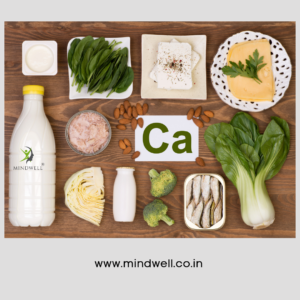 The richest source of Calcium in animal foods is milk (buttermilk, skim milk and cheese) and in vegetable sources is green leafy vegetables. Among the leafy vegetables, amaranth, fenugreek and drumstick leaves, spinach are particularly rich in calcium and in root vegetable tapioca is a good source.
Most cereals and millets contain some amount of this element and the millet ragi is a particularly rich source of calcium.
Some of the pseudo cereals like grain amaranth (Raj Keera) is also an equally good source.
Deficiency of calcium causes Rickets in children with weakened development of bone mass and teeth. The adult form of rickets is called Osteoma Lacia. Rickets in early life may predispose someone to develop osteoporosis in later life.
Too little calcium intake weakens the bones, teeth, hair and nails and may also lead to allergic reactions developing.
Osteoporosis means weakening of the bone visible in deficiency.
Any excess calcium may be deposited in the body as calculi, particularly in the kidney or bladder as tartar on the teeth or it is excreted via urine, faeces or sweat.
There are homeopathic medicines which help to increase absorption of calcium from diet in the body when a patient is treated under homeopathy. Patients need to focus on good nutritious food and medicines required when absorption is improper if diet is good. Homeopathic medicines are the safest form of medicine which treat the root cause and help people to resolve complaints happily.
For Expert consultation and to book an appointment do visit our website: www.mindwell.co.in or call us on 9819901406/9819904411