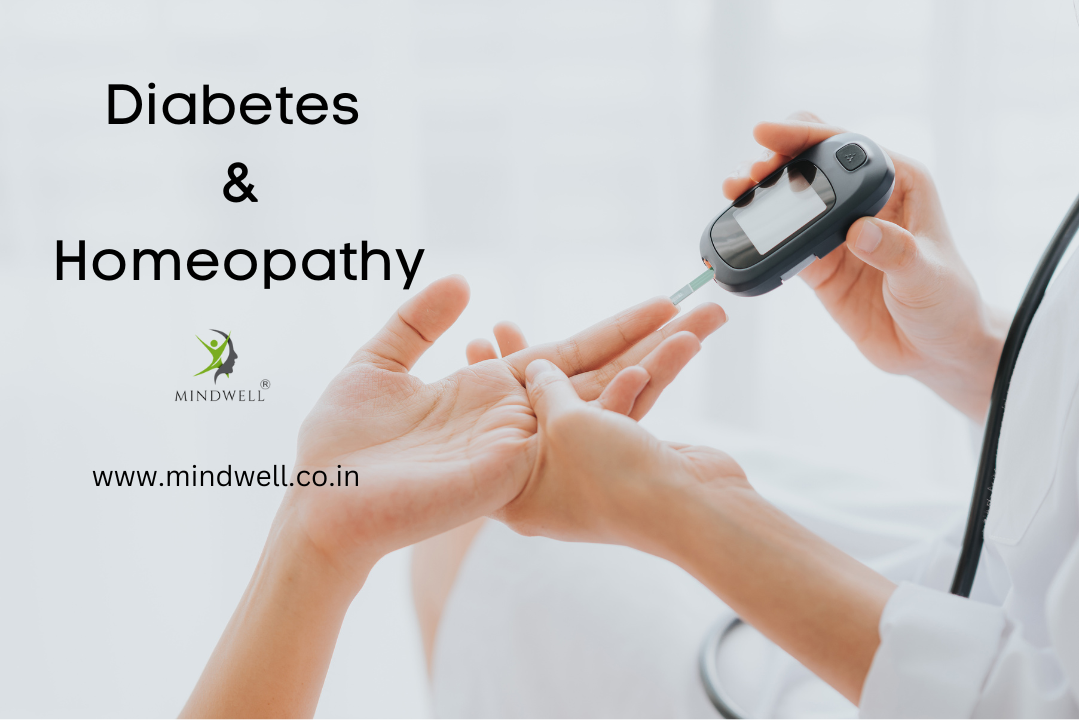
Diabetes is a chronic disease that occurs when pancreas is no longer able to make insulin or when the body cannot make use of insulin it produces.
Insulin is the hormone made by the pancreas. All foods inside the body gets broken into glucose. that goes into cell. Not being able to produce insulin or use effectively results in hyperglycemia.
Types of diabetes–
- Type 1– It can develop at any age. Mostly occurs in children and adolescents. When body produces very little or no insulin then you need to take daily insulin to maintain blood glucose levels under control.
- Type 2– It is more common in adults and it’s seen in 90% of all diabetes cases.
In this type, body does not make good use of the insulin that it produces. Type 2 diabetes will require oral drugs /insulin to keep blood glucoses level under control.
- Gestational diabetes– it is a type of diabetes of high blood glucose during pregnancy. It is associated with complication to both mother and child. It usually disappears after pregnancy but women affected and their children are at age of risk of developing type 2 diabetes later in life.
Symptoms of type 1 diabetes–
Abnormal thirst and dry mouth, sudden weight loss, frequent urination, lack of energy, tiredness, constant hunger, blurred vision
Type 2 symptoms– excessive thirst and dry mouth, frequent urination, lack of energy, tiredness, slow healing wounds, recurrent infections in the skin, blurred vision, tingling and numbness in hands and feet.
Complications in diabetes–
Consistently high blood glucose levels can lead to serious diseases affecting heart and blood vessels, eyes, kidneys, nerves and teeth.
Maintaining blood glucose levels to normal helps to delay or prevent diabetes complications.
So, people with diabetes needs regular monitoring of blood sugar level.
Cardiovascular disease– coronary artery disease leading to heart attack and stroke.
High blood pressure, high cholesterol and high glucose level and other risk factors contributes cardiovascular complication
Kidney disease– Diabetic nephropathy caused by damage to small blood vessels in the kidneys leading to either failure or less efficient.
Nerve disease– Diabetic neuropathy can cause damage to the nerves. It leads tractile dysfunction. Peripheral neuropathy in extremities lead to pain, tingling, loss of feeling. People with diabetes carry a risk of amputation.
Eye disease– Diabetic retinopathy causing reduced vision or blindness.
Pregnancy complication– organ damage in fetus, problems in delivery, trauma to the child and mother, sudden drop in blood glucose for the child after birth.
Oral complication– increases risk of inflammation of gums (periodontitis) which cause tooth loss.
Prevention–
At present, type 1 diabetes cannot be prevented.
In type 2, number of factors influence the development of type 2 diabetes like sedentary lifestyle, consumption of unhealthy food and inactive lifestyle, less physical activity.
Treatment–
To immediate control of sugar level in body start with conventional medication.
One might need support of insulin injection also.
In mild level of sugar increase you can start with homeopathy treatment. lifestyle management like diet and exercise makes one can completely prevent further progress of disease.
In moderate to severe risk diabetes, Homeopathy help you minimize the side effects of conventional medicine. Other complaints along with diabetes can be manages with homeopathy to minimize the side effects of medicines.
It is myth that the sweet pills of homeopathic medicines increase diabetes. The sugar level in homeopathic pills is so minor that it can’t trigger imbalance in sugar level. Thus, homeopathy is absolutely safe and effective in Diabetes.
For more information or treatment contact at www.mindwell.co.in